
Key Takeaways
- Invisalign aligners must always be removed before eating or drinking anything except water to prevent damage, staining, and bacterial build-up.
- Eating with aligners in place can result in cracking, warping, and reduced treatment effectiveness, often leading to extra appointments or extended treatment times.
- Oral hygiene is crucial; always brush and rinse your teeth before reinserting the aligners to minimise the risk of tooth decay, gum inflammation, and tray discolouration.
- Unlike traditional braces, Invisalign offers dietary freedom as aligners are taken out for meals, but maintaining a cleaning routine after eating is essential for optimal treatment results.
- Cleaning aligners with a soft brush and storing them in a protective case when not in use helps preserve device integrity and overall oral health.
Invisalign aligners must be removed before eating or drinking anything except water to prevent damage, staining, and bacterial build-up that can compromise treatment effectiveness. Totalcare Dental and Dermal advises patients to wear aligners 20-22 hours daily, only removing them for meals and oral hygiene. Unlike traditional braces, these clear aligners offer complete dietary freedom whilst requiring diligent cleaning routines after eating to maintain optimal treatment results.
Understanding Invisalign Aligners
Invisalign aligners use clear thermoplastic material to apply gentle pressure for gradual tooth movement. Each set in a treatment plan fits snugly over teeth, remaining barely visible in social settings. Patients wear aligners for 20–22 hours daily, only removing them for meals and oral hygiene.
Custom fabrication relies on precise scans of our teeth, with each set designed for a specific stage of alignment. Unlike traditional braces, aligners lack wires or brackets, reducing irritation and streamlining cleaning routines.
Totalcare Dental and Dermal in Bondi Junction offers assessments using intraoral scanners to ensure correct aligner fit and to monitor progress throughout the treatment. Our team provides instruction on handling and maintaining aligners to help patients preserve both dental health and device integrity.
Eating With Invisalign: What You Need to Know
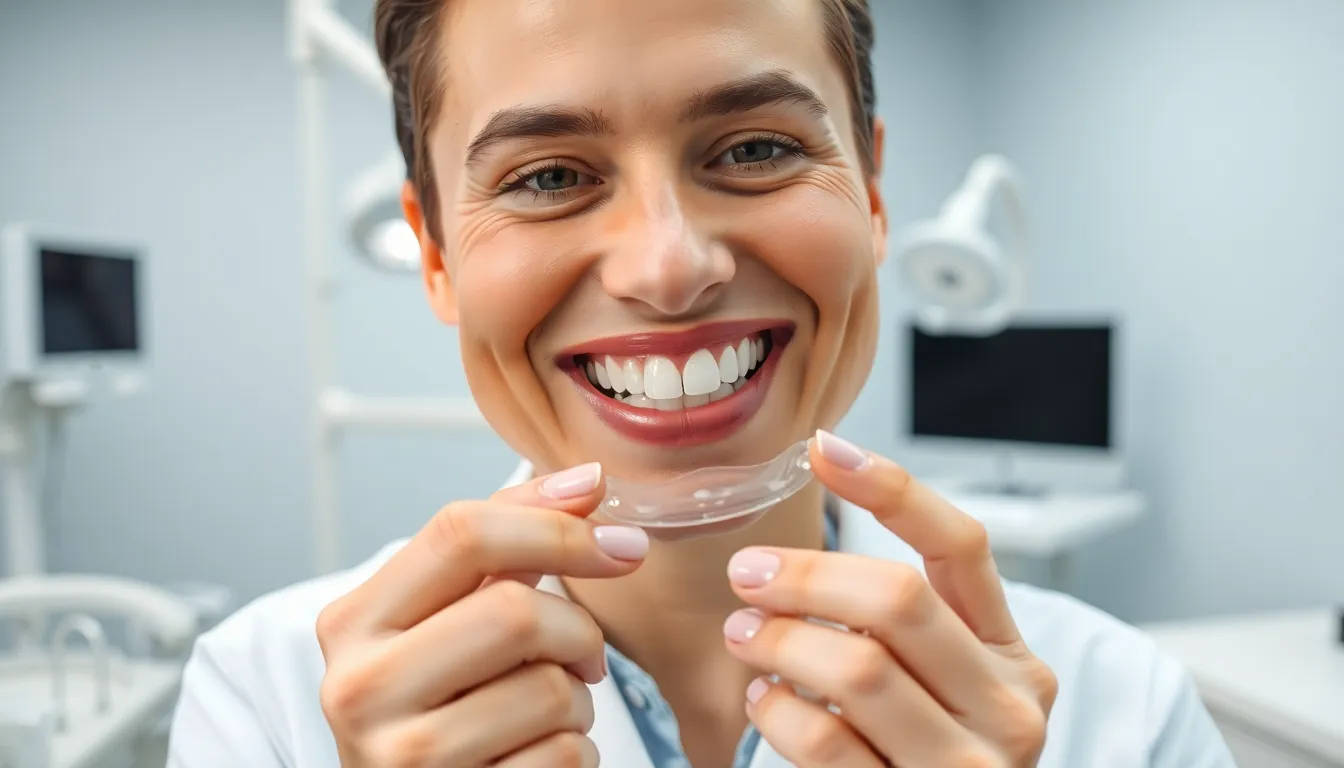
Many patients at Totalcare Dental and Dermal in Bondi Junction ask about eating with Invisalign. Treatment success and device durability depend on how we handle meals and snacks during the day.
Can You Eat While Wearing Invisalign?
We don’t eat with Invisalign aligners in place. Aligners consist of clear thermoplastic material designed for precise fit, not exposure to chewing forces or temperature changes from hot food. Removing aligners before meals prevents cracks, warping, and bacterial buildup. We can drink water with aligners on; for all other drinks, including coffee and juice, we remove them first to avoid staining and odour.
Treatment compliance at Totalcare Dental and Dermal means wearing Invisalign aligners 20–22 hours daily, but all meals and snacks require aligner removal. After eating, we brush our teeth before reinserting the trays, supporting dental hygiene throughout the course of treatment.
Foods to Avoid During Invisalign Treatment
We don’t restrict food types because aligners come out before eating. Sticky, hard, or very crunchy foods aren’t a problem if we clean our teeth thoroughly before the aligners go back in. Patients looking to simplify cleaning choose soft foods for less debris and milder oral residue—examples include cooked vegetables and yogurt.
Our team at Totalcare Dental and Dermal highlights that careful rinsing and brushing after anything sugary or acidic helps reduce the chance of decay or liner discolouration. We follow straightforward eating habits so treatment progresses predictably while minimising dental risks.
Tips for Eating With Invisalign
Eating with Invisalign in place isn’t recommended, as the aligners require removal before consuming anything except water. Our patients at Totalcare Dental and Dermal in Bondi Junction often ask how to manage aligners during meals to protect both their treatment and oral health.
Cleaning Your Aligners After Meals
Cleaning your aligners after meals starts with rinsing your mouth and aligners to remove food particles. Brushing your teeth before inserting clean aligners helps keep bacteria and sugar from getting trapped. We advise using a soft-bristled toothbrush and non-abrasive toothpaste to clean both teeth and aligners. For those regularly on the move in Bondi Junction, carrying a dental travel kit with a brush and rinse aids quick oral hygiene, especially after eating sugary or acidic foods.
Managing Discomfort When Eating
Managing discomfort when eating during Invisalign treatment involves preference for softer foods such as mashed potatoes and steamed vegetables after adjustments, if tenderness occurs. Gradually reintroducing harder foods as sensitivity lessens minimises irritation. Staying consistent with oral hygiene and proper aligner cleaning reduces mouth soreness and protects against gum inflammation. At Totalcare Dental and Dermal, our team reviews comfort concerns and offers custom advice to help patients enjoy mealtimes while maintaining effective Invisalign treatment.
Potential Risks of Eating With Invisalign In
Eating with Invisalign aligners in place exposes us to several risks linked to oral health and the condition of the aligners. Aligners made of clear thermoplastic material can crack or warp under chewing pressure, so leaving them in during meals increases the likelihood of needing replacements. Staining is common if we consume coffee, tea, red wine or foods high in artificial colourings while the aligners are in, making the trays less invisible and more noticeable.
Food particles often get trapped between the aligners and teeth, so bacteria build-up rises and the risk of tooth decay or gum inflammation increases. Sticky foods like gum and chewy sweets, or hard items like nuts and jerky, frequently stick to or bend the trays, compromising their fit and effectiveness. The Australian Dental Association highlights that improper use of aligners, including eating with them in place, makes oral hygiene harder to maintain, especially if we skip brushing or flossing[1]. When patients at Totalcare Dental and Dermal in Bondi Junction eat with aligners in, we see more instances of staining, plaque accumulation, and avoidable breakages, leading to extra appointments and delays in treatment progress.
Wearing aligners during meals shortens the appliance lifespan, increases treatment costs, and often leads to less predictable results. To maintain a clean and effective Invisalign experience aligned with our standards at Totalcare Dental and Dermal, it’s essential that we always remove the aligners before eating and brush before reinserting them, reducing these avoidable risks.
Comparison With Traditional Braces
Eating guidelines differ significantly between Invisalign and traditional braces. With Invisalign, we remove aligners before eating, allowing us to eat any foods, including hard fruits or chewy bread, without concern for appliance damage. Traditional braces require us to avoid hard, sticky, or crunchy foods such as nuts, popcorn, and caramel to protect wires and brackets from breakage.
Cleaning and comfort also set these treatments apart. Invisalign aligners, custom-made at clinics like Totalcare Dental and Dermal in Bondi Junction, enable us to maintain standard brushing and flossing routines, since aligners come out with every meal. Traditional braces require special cleaning tools, such as interdental brushes, to remove trapped food particles, and food debris commonly accumulates around brackets, increasing the risk of decay and gum inflammation.
Treatment visibility and convenience benefit Invisalign wearers. Aligners remain nearly invisible and removable, which is preferred by many adults at Totalcare Dental and Dermal. Metal brackets are visible, and once bonded, cannot be removed until treatment completion. This distinction means Invisalign users experience greater flexibility in daily routines and diet, compared to the stricter requirements with fixed braces.
Patients at our Bondi Junction clinic receive support from dental professionals in aligner care and oral hygiene—vital for both clear aligner and traditional fixed brace wearers. We advise everyone to follow all cleaning protocols to ensure healthy results regardless of appliance type.
About Totalcare Dental and Dermal
Totalcare Dental and Dermal, located in Bondi Junction, NSW, offers a comprehensive range of dental services focused on improving and maintaining oral health in a comfortable, patient-centered environment.
Owned by Ishara Goonewardene, the clinic provides general dentistry, cosmetic treatments, orthodontics, dental implants, and emergency care. They also specialise in teeth whitening, veneers, and sedation dentistry, ensuring tailored treatments that enhance both oral health and smiles.
Contact:
Ishara Goonewardene, Owner
Phone: (02) 9387 3637
Email: [email protected]
Address: Shop 3, Ground Level/1 Spring St, Bondi Junction NSW 2022
Website: www.totalcaredentistry.com.au
Frequently Asked Questions
Can I eat while wearing my Invisalign aligners?
No, you should remove your Invisalign aligners before eating. Eating with aligners in place can damage or stain them and increase the risk of bacteria build-up. Always take them out before meals for best results.
What drinks are safe to have with Invisalign aligners in?
Only plain water is safe to drink while wearing Invisalign aligners. Other beverages, such as coffee, tea, or sugary drinks, can stain or damage the aligners and should be consumed only after removal.
How long do I need to wear Invisalign aligners each day?
You should wear your Invisalign aligners for 20–22 hours per day, only removing them for eating, drinking anything other than water, and during oral hygiene routines.
Do I need special cleaning tools for Invisalign, like with braces?
No special tools are required; simply brush and floss your teeth as normal. Clean your aligners gently with a toothbrush and water before putting them back in after meals.
Are there any food restrictions during Invisalign treatment?
There are no specific food restrictions, as long as you remove the aligners while eating. However, it’s advised to brush your teeth before reinserting aligners, especially after consuming sugary or acidic foods.
What should I do if my aligners become stained or damaged?
Contact your dental provider if your aligners become stained or damaged. Avoid using harsh cleaners or hot water and always follow your dentist’s care instructions for best results.
How do I maintain good oral hygiene with Invisalign?
Brush and floss your teeth after every meal, rinse your mouth and aligners, and clean your aligners before reinserting them. Carry a dental travel kit to manage oral hygiene when on the go.
Is Invisalign more convenient than traditional braces?
Yes, Invisalign is considered more convenient. The aligners are removable and nearly invisible, allowing you to eat all types of food and maintain standard oral hygiene routines, unlike traditional braces.
Can eating with aligners cause treatment delays?
Yes, eating with Invisalign in place can damage the aligners, causing avoidable breakages that may delay your treatment and require extra appointments with your dentist.
What can I do to reduce discomfort after an Invisalign adjustment?
If you experience discomfort, choose softer foods until your mouth adjusts. Gradually reintroduce harder foods as sensitivity decreases, and maintain diligent oral hygiene to prevent irritation.